

Ride-hailing apps is transforming the way people commute, offering convenience, speed, and flexibility at the touch of a button. Yet, even the most experienced riders sometimes make errors that can lead to delays, higher fares, or unnecessary frustration. Understanding the pitfalls can significantly improve the experience, saving time, money, and stress. Common mistakes riders make on ride-hailing apps often stem from poor planning, miscommunication, or misuse of app features. By recognizing these frequent errors and learning how to avoid them, passengers can enjoy smoother trips, better service, and more reliable rides. This guide highlights the top mistakes riders often make and practical ways to prevent them.
Entering Incorrect Pickup or Drop-Off Locations
One of the most frequent errors is inputting the wrong address. Even small mistakes can cause drivers to get lost, delay pickups, or cancel trips. Always double-check the address, including building numbers and nearby landmarks. Some riders neglect to update locations for temporary situations, such as road closures or alternate entrances. Using the map preview feature in the app helps confirm exact points, avoiding confusion and potential fare increases. Accurate information benefits both the rider and the driver, making trips faster and reducing stress for everyone involved.
Ignoring Surge Pricing and Demand Patterns
Many riders overlook dynamic pricing models, which increase fares during peak hours, bad weather, or high-demand periods. Ignoring these alerts can result in paying more than necessary. Planning trips ahead of time or waiting for demand to stabilize can lower costs significantly. Some riders attempt to avoid surge pricing by canceling and rebooking, but this can lead to penalties or wasted time. Understanding how surge pricing works and adjusting travel times accordingly is an effective strategy to avoid frustration and unnecessary expenses.
Providing Incomplete or Confusing Pickup Instructions
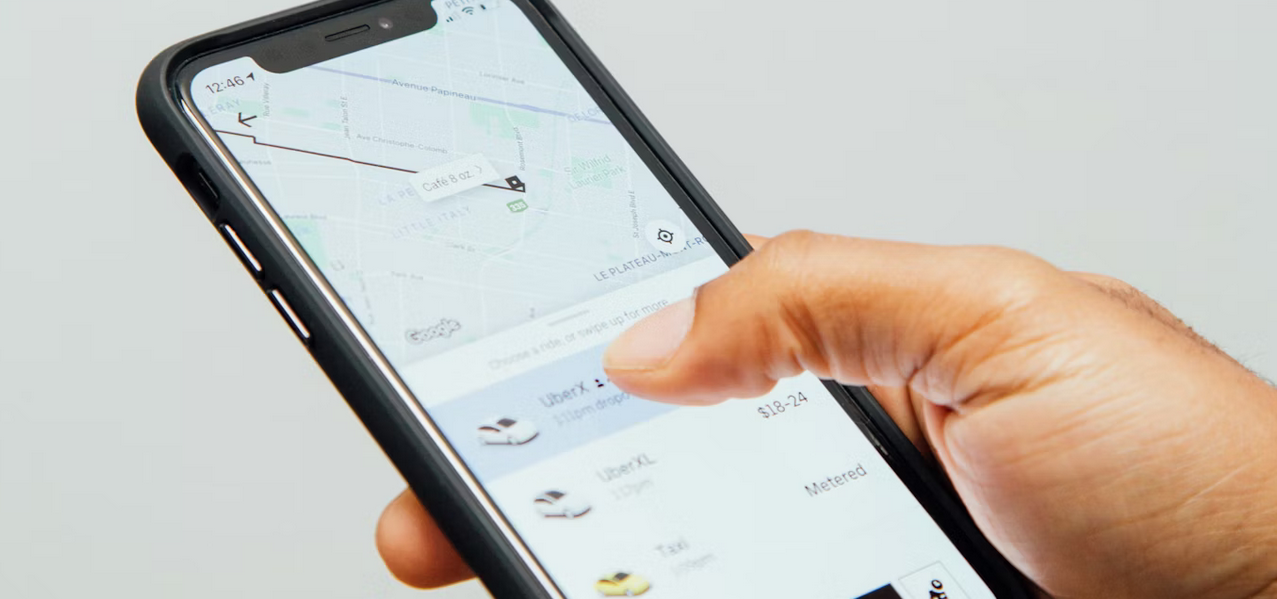
Riders often fail to provide clear instructions for pickup points, particularly in crowded areas, apartment complexes, or large venues. Simply entering a general address without specifying landmarks or floor numbers can confuse drivers and delay rides. Adding descriptive notes, like “front entrance near the coffee shop,” improves accuracy. Effective communication ensures drivers can locate passengers quickly, minimizing waiting time and reducing the risk of cancellations. Clear instructions enhance the overall experience for both the rider and driver, fostering smoother interactions.
Relying Solely on App Ratings Without Feedback
Some riders assume that high-rated drivers guarantee a perfect ride, neglecting the importance of feedback. Ignoring app-provided details like driver experience, route history, or passenger reviews can lead to unexpected delays or safety issues. Similarly, failing to leave constructive feedback prevents drivers from improving services. Actively reviewing profiles and leaving ratings helps maintain quality standards and promotes better service across the platform. Being proactive in evaluating drivers contributes to a safer, more consistent ride-hailing environment for all users.
Mismanaging Payment Options and App Settings
Payment-related mistakes are another common issue. Riders may forget to update cards, rely on low-balance accounts, or fail to apply promo codes effectively. These oversights can result in declined payments, delays, or missed discounts. Some also neglect to check app settings for automatic receipts, preferred payment methods, or regional currency adjustments. Ensuring payment information is current and accurately configured reduces complications during trips, streamlines transactions, and prevents unnecessary interruptions. Proper management of app settings contributes to a seamless, stress-free ride-hailing experience.
Avoiding common mistakes on ride-hailing apps can transform your commuting experience, saving time, money, and frustration. Entering accurate locations, understanding surge pricing, providing clear pickup instructions, evaluating driver details, and managing payment settings are essential for a smooth, reliable journey. By being attentive and proactive, riders can minimize delays, improve service interactions, and maximize the convenience these apps offer. Simple adjustments in behavior and attention to detail create safer, faster, and more satisfying trips, allowing passengers to focus on reaching their destinations comfortably and efficiently.